The Photos That Sell Your Home, and the Ones That Quietly Cost You Buyers
Most sellers think about price, condition, and timing. Almost nobody thinks hard enough about their photos, and that's usually the first thing a buyer actually sees.
Before a buyer ever walks through your front door, they've already decided whether they want to. That decision happens in about two seconds, scrolling through photos online. A handful of dark, cluttered, or poorly angled photos can quietly talk a buyer out of a showing before they ever pick up the phone, no matter how nice the home actually is in person.
I take this seriously enough that I want to walk through what actually works, and what quietly works against you.
What tends to hurt a listing without anyone realizing it: photos taken on a phone in poor light, wide-angle shots that distort a room's real proportions, cluttered counters and closets left in frame, and empty or awkwardly furnished rooms that make buyers struggle to picture themselves living there. None of these mean the home is a bad home. They mean the photos are quietly working against it.
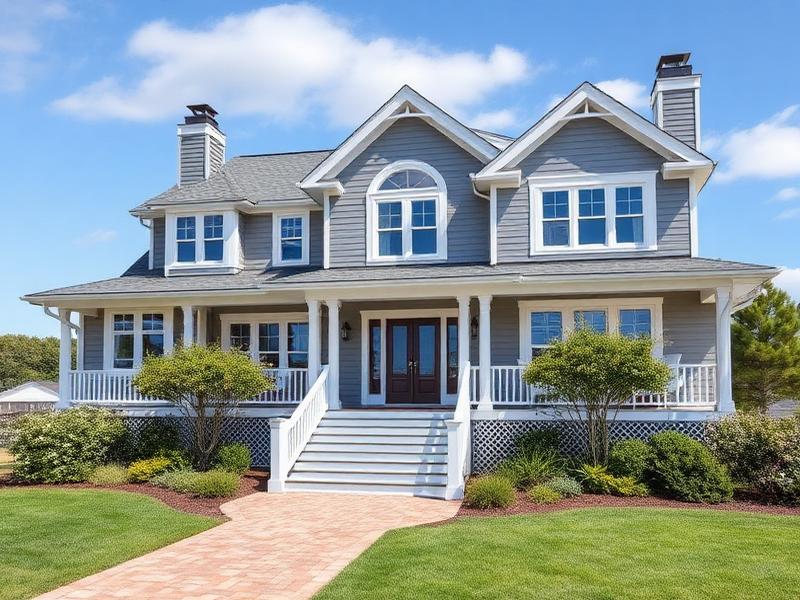
Drone photography has become one of the most useful tools for homes here on the Eastern Shore specifically, and it is not just for waterfront showpieces. An aerial shot shows a buyer the full lot, the proximity to water, the neighborhood context, and the layout of the property in a way that ground-level photos simply cannot. For a lot of buyers relocating from somewhere else, that single aerial photo often does more to sell the setting than any written description could.
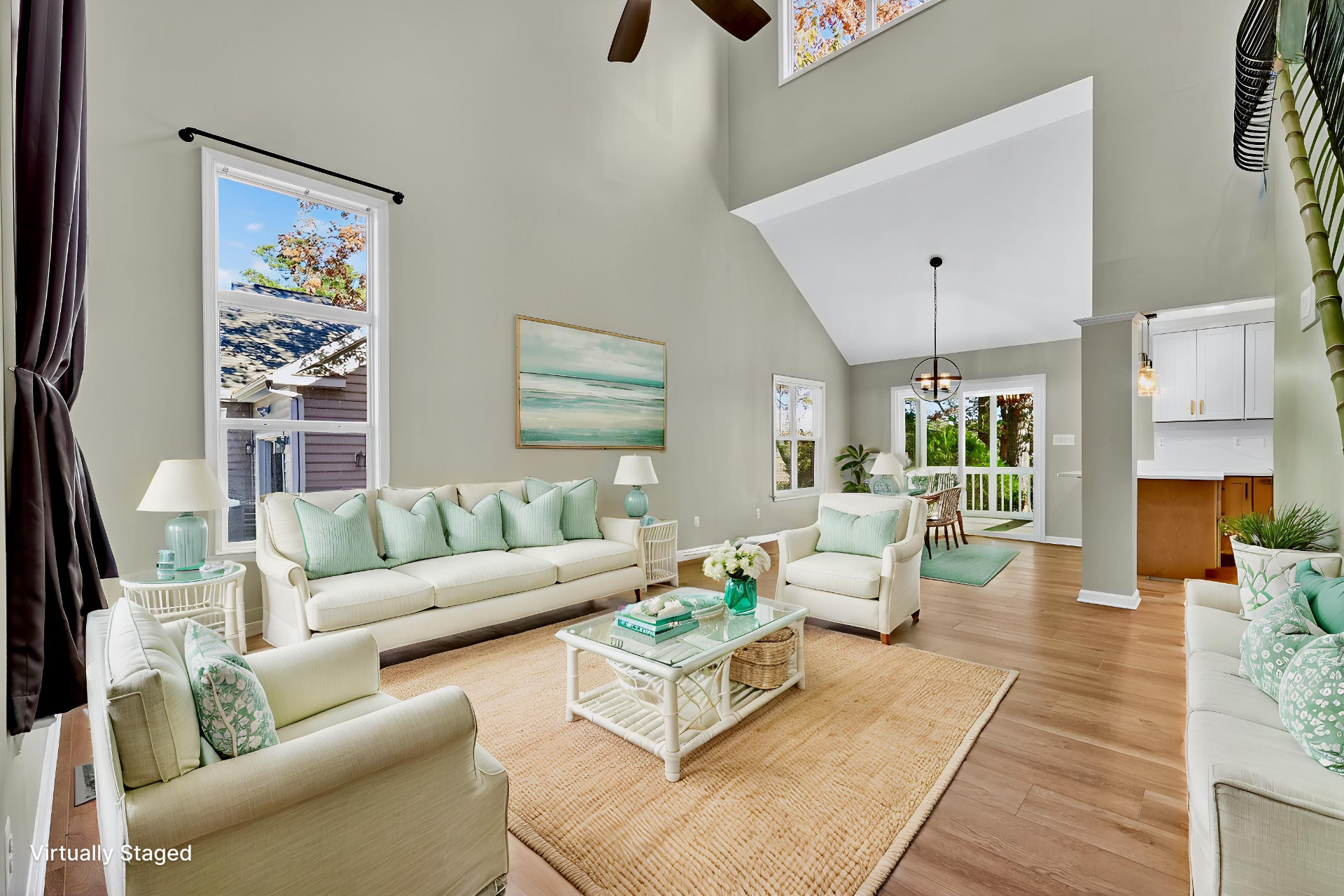
Post-production work matters just as much as the shots themselves, and this is where virtual staging comes in. Below are two real examples from a recent listing, the same room, same camera angle, before and after.
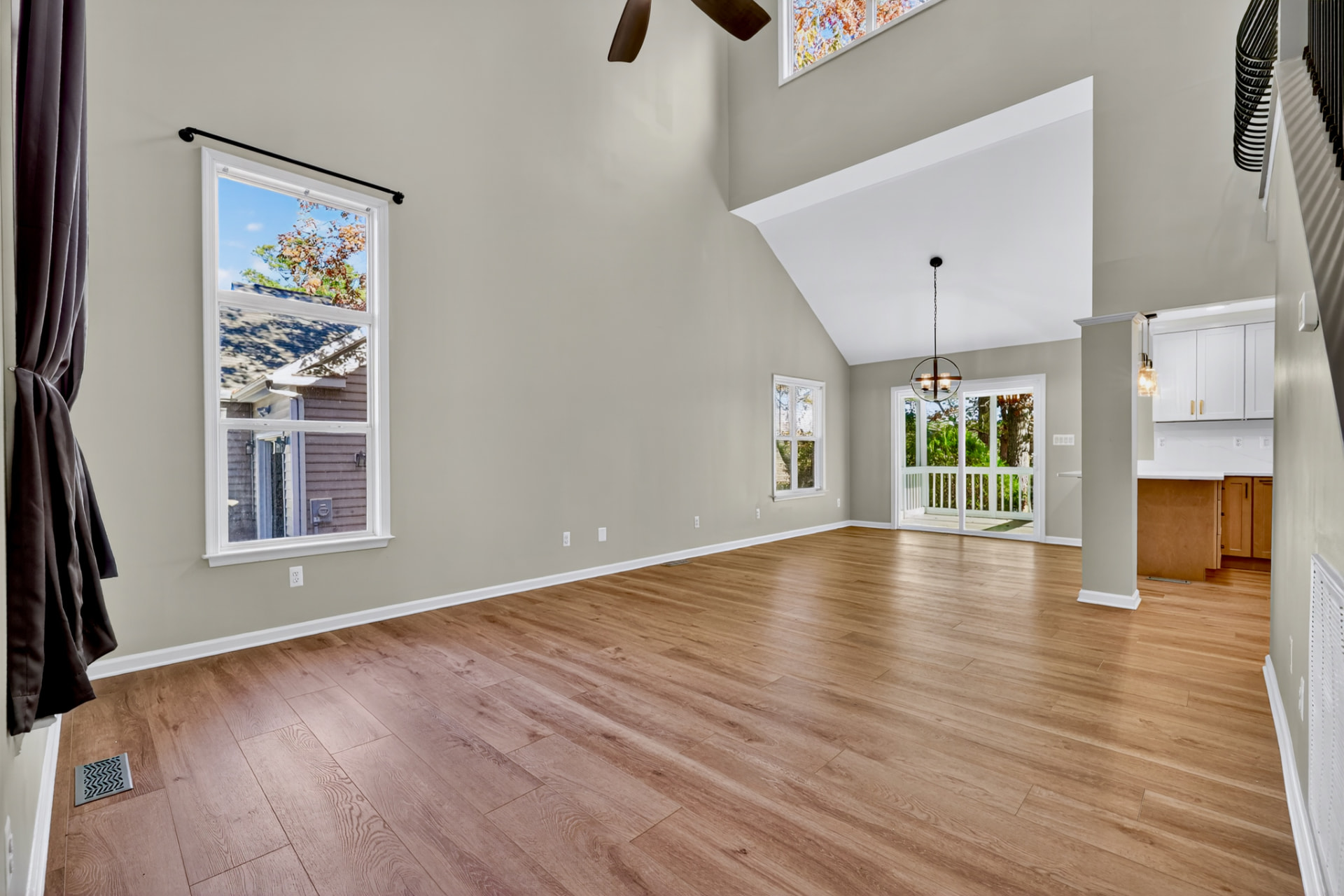
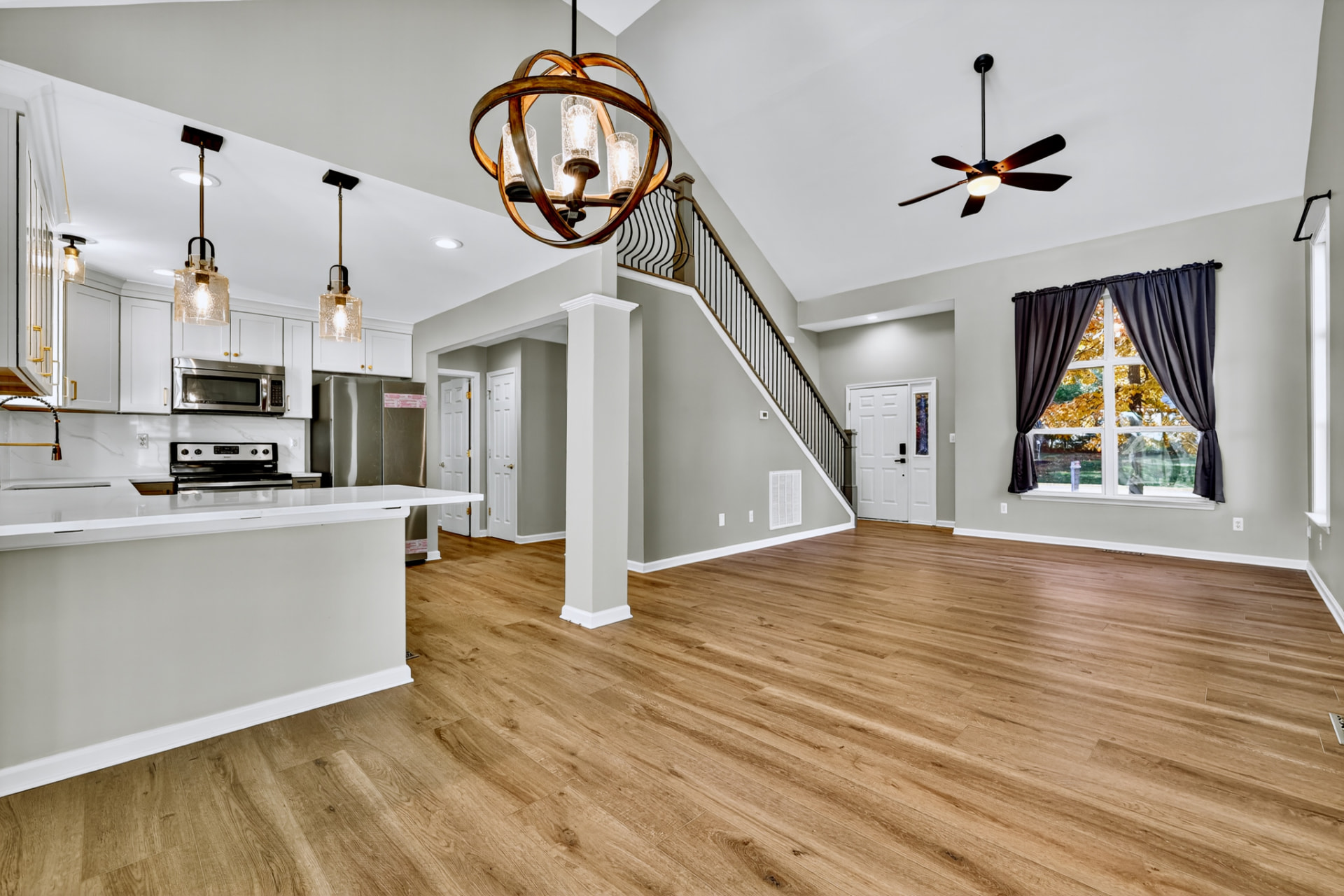
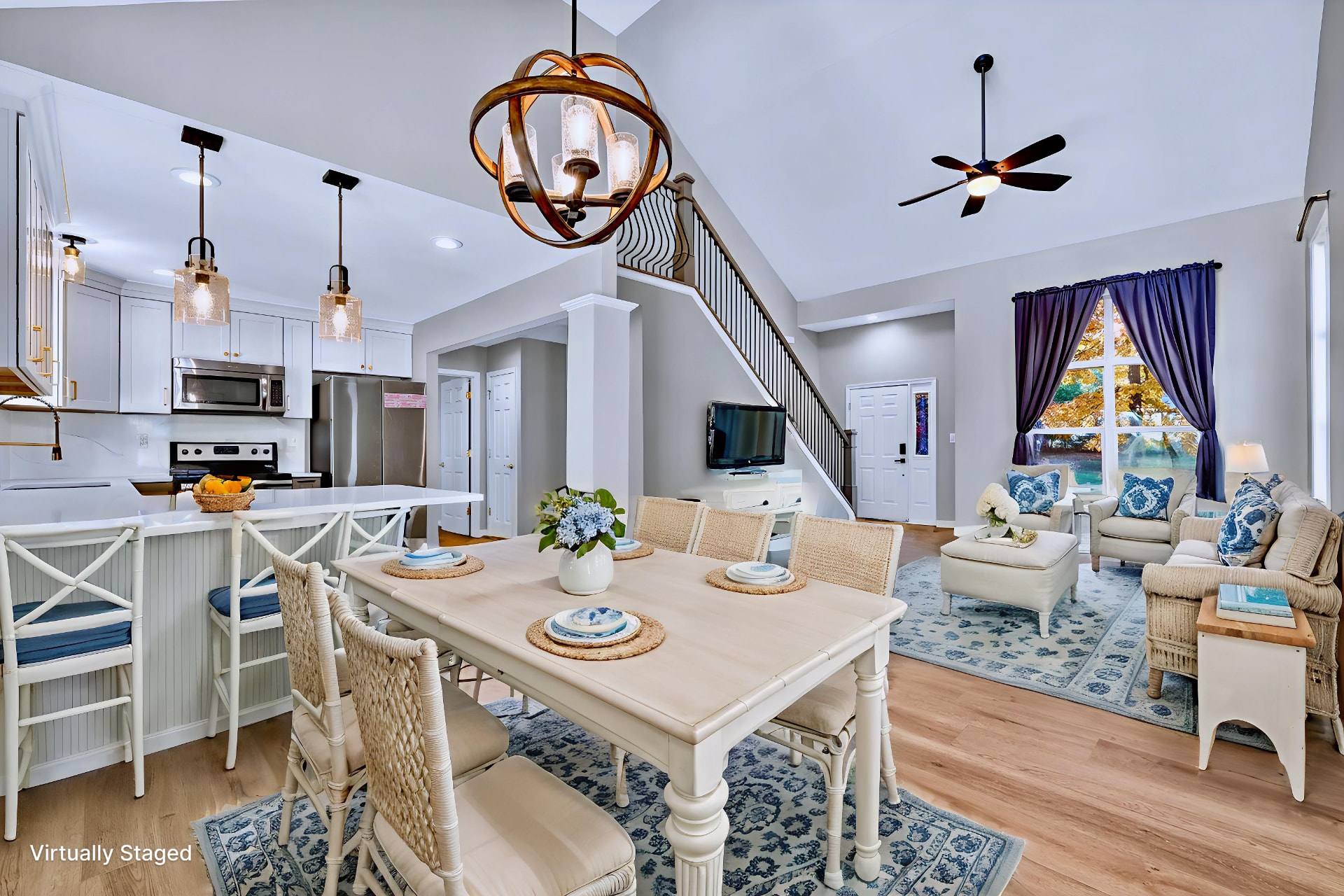
An empty room is hard for most buyers to mentally furnish. Virtual staging solves that by placing realistic, well-proportioned furniture into the actual photo, so a buyer can picture how the space actually lives, not just its dimensions.
Here's something fewer sellers realize: this works in both directions. If a home is already furnished when we photograph it, we are not stuck with the existing furniture in every shot. We can digitally remove what's there and restage the same room to show a different look and a different lifestyle entirely, coastal, modern, traditional, whatever presents the home best to the buyers most likely to want it. Below is a third example, the same great room shown above, restaged with a different furniture concept entirely.
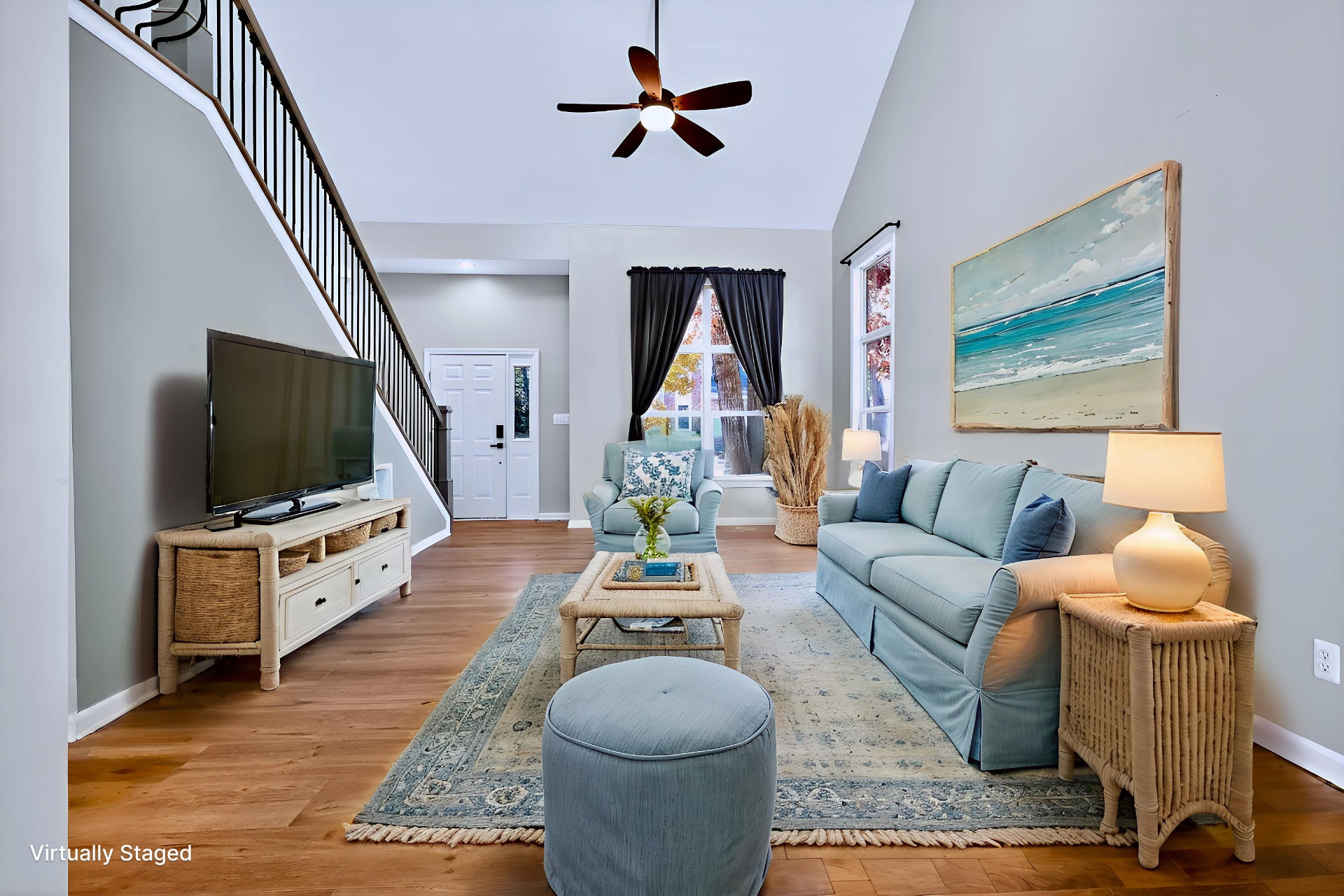
I want to be clear about one thing: virtual staging should always be disclosed as virtual staging. Done honestly, it is simply a tool that helps a buyer see potential. Done deceptively, it erodes the trust you need for a smooth transaction. Every staged photo I use is clearly labeled, on every listing.
The bottom line is simple. Photos are not a formality you check off before a listing goes live. They are the first, and sometimes only, impression a buyer forms of your home. Getting them right, drone photography, proper editing, and honest virtual staging where it helps, is part of what a full-service listing should include, not an upsell.
If you're weighing whether to list your home, this is exactly the kind of detail I handle as part of the process, not something left for you to figure out on your own.