The Lockbox on Your Door: Why SentriLock Actually Makes Your Home More Secure
If your home is about to go on the market, there's a good chance the word "lockbox" has already made you a little uneasy. A box hanging on your door that lets someone let themselves in when you're not there? That's a reasonable thing to think twice about. It's also exactly the kind of question I'd rather answer before you sign a listing agreement, not after.
Here's the short version: the lockbox I use isn't the old combination box you may be picturing, the kind where anyone who overhears the code can walk in. It's SentriLock, an electronic lockbox system built specifically for REALTORS, and once you understand how it actually works, most sellers tell me it puts them more at ease about showings, not less.
It's Not the Box You're Picturing
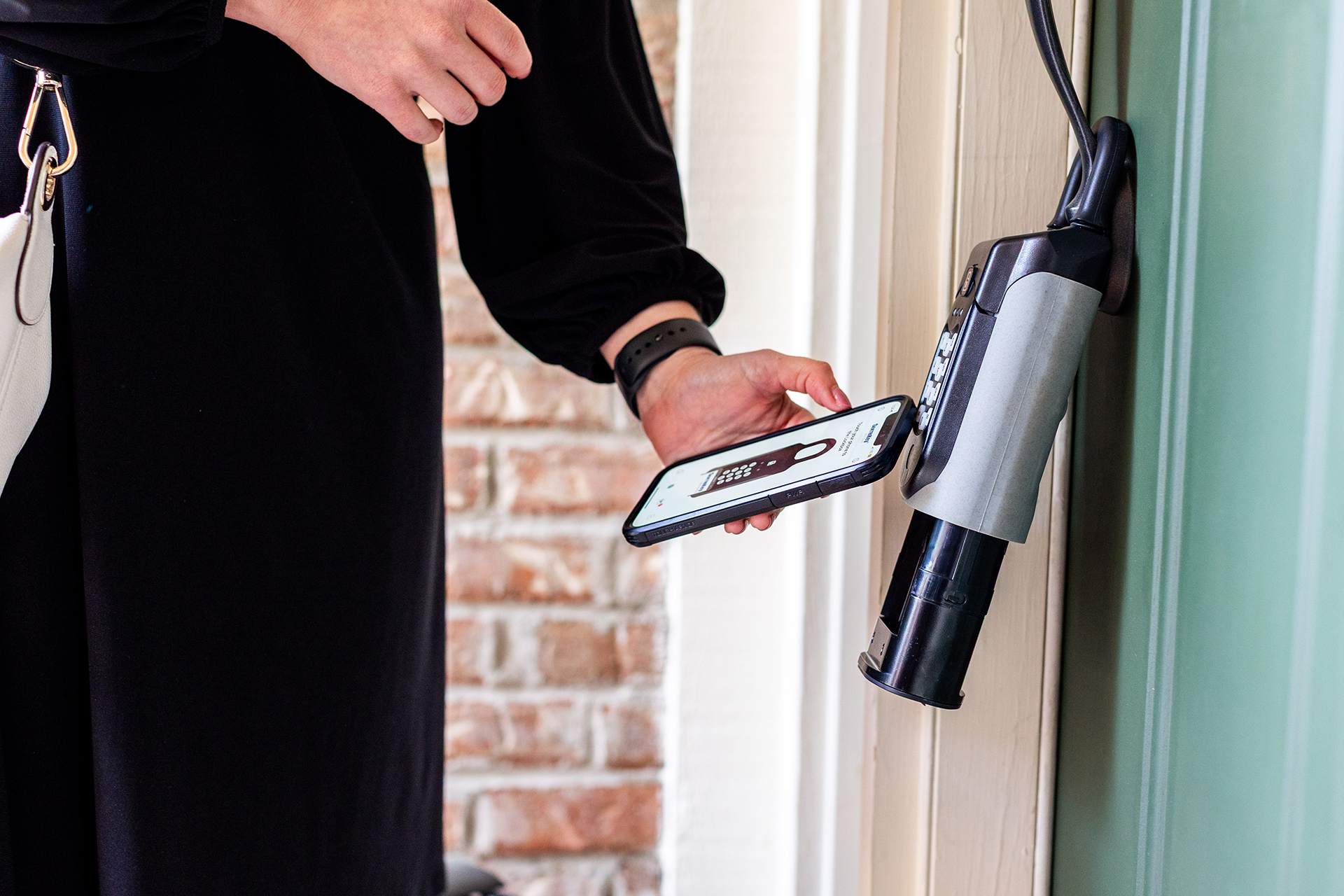
The old-style lockbox was a spinning-dial combination box. Once a code got shared a few times, there was no real way to know who actually had it. SentriLock replaced that years ago with an electronic system that only communicates with a verified, credentialed real estate agent's phone. There's no combination to overhear, no code to jot down and pass along. The box and the app have to recognize each other before anything opens.
How It Actually Verifies Who's at Your Door
Every agent using SentriLock has to authenticate on their own phone, with their own PIN or fingerprint/face ID, tied to their own active real estate license, before the lockbox will do anything. That credential has to check out in real time. It isn't a shared code or a key that could be copied.
Once in a while, an agent shows up without the app set up, usually an out-of-town buyer's agent I haven't worked with before. In that situation, they call me directly, I verify who they are, and I issue a one-time code that opens the box for that single visit. It still gets logged exactly like every other entry. Nothing opens without going through either the verified app or me personally, no exceptions.
Every Access Is Logged, No Exceptions
This is the part that tends to put sellers most at ease once they hear it: every single time that box is opened, it's recorded, who opened it and exactly when. That's not a "trust the system" promise, it's a real record I can actually pull.
If something ever feels off after a showing, a door left unlocked, something that seems out of place, I can look at exactly who was in your home and at what time. Most sellers never need to ask for that log. But knowing it exists, and that it's not optional or something an agent can turn off, is a meaningfully different situation than handing out a key or a code and hoping for the best.
Built to Actually Take a Hit
SentriLock isn't a hardware-store box, either. The current SentriGuard lockbox is built with a high-strength steel vault and a shackle designed to resist bolt cutters, engineered off two decades of feedback specifically from real estate agents dealing with real properties, in all conditions, year-round. It's independently tested for security, not just marketed that way, and the battery is built to last years, not weeks, so it's not something that quietly stops working while your home is sitting on the market.
It's the Official Lockbox of the National Association of REALTORS
SentriLock isn't a random vendor I picked because it was convenient. It's the system the National Association of REALTORS itself put in place as the industry standard, currently securing well over a million lockboxes for agents nationwide. That matters, because it means the security standard on your door isn't a local shortcut, it's the same system used at listings across the entire country.
This Protects Buyers' Agents Too, Which Protects You
One more piece worth knowing: the same app that unlocks your lockbox also includes a built-in safety feature for the agent showing your home. If an agent doesn't check in as safe within an expected window, it automatically alerts their emergency contacts. That's not directly about your home, but it tells you something about how seriously this system takes accountability on both sides of your front door, not just convenience.
Worth Saying Plainly: This Only Applies If We List
This whole conversation only matters if your home goes on the market, since a lockbox only exists to manage showings. If a listing isn't the right move for your situation and a direct, as-is purchase makes more sense instead, there's no lockbox at all, because there are no showings, no strangers, no scheduling. That's a separate path with a separate set of trade-offs, and I'll walk you through both with real numbers before you have to decide.
If Knowing This Matters to You, Let's Talk
I bring this up before a seller ever asks, because I'd rather you feel informed than surprised. Every listing I represent uses this system, and I stand behind exactly how it works because I've walked sellers through the log, the credentialing, and the process more times than I can count.
I also want to be upfront about something else: I work with a limited number of sellers at a time, by design, so every listing gets my personal attention instead of getting handed off to a team. If you're weighing whether to list this year, or you just want to understand how showings and access would actually work at your home, that's a conversation worth having early.
A lockbox is a small detail in a much bigger decision. But it's the kind of detail that tells you how the rest of the process is going to be handled. If you want to talk through it, or through anything else about selling in Chincoteague or Captain's Cove, I'm one phone call away.