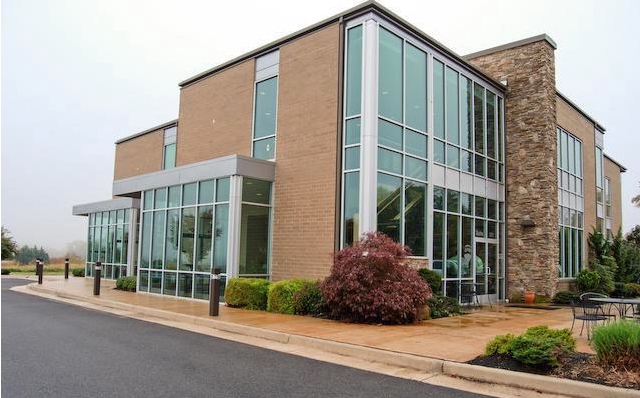
Commercial property sales, Virginia's Eastern Shore
Selling Commercial Property on the Eastern Shore? Start With the Numbers.
Investors and owner-users don't buy a building. They buy its income, its risk, and its upside. I package your property the way a serious buyer underwrites it, put it in front of the right buyer pool, and manage the deal from confidential valuation through closing. One licensed Virginia broker with 40+ years of experience, a business owner's read on a P&L, and a Class A contractor's read on the building.
Commercial owners I work with
Serving Accomack and Northampton Counties, Virginia's Eastern Shore.
Investors and landlords
Selling income property: retail, office, mixed-use, small multifamily, storage, and rental portfolios.
Owner-users
Selling the building your business operates from, with the business, without it, or with a leaseback so operations continue.
Hospitality and tourism owners
Motels, inns, restaurants, campgrounds, and rental operations on and around Chincoteague, tied to the island's seasonal economy.
Waterfront and marine commercial
Marinas, seafood and working-waterfront properties, and boat storage.
Highway-frontage and industrial
Warehouse, flex, yard, and redevelopment sites along Route 13.
Estates, partnerships, and 1031 sellers
Dispositions that need to be handled cleanly, confidentially, and on a defined timeline.
Residential sells a lifestyle. Commercial sells a spreadsheet.
A home buyer walks through the kitchen and imagines living there. A commercial buyer opens your financials and runs the numbers before they ever visit. That changes everything about how the property has to be prepared, priced, and presented.
What a commercial buyer underwrites before making an offer
- Net operating income — Trailing 12 months of actual income and expenses, not projections.
- Rent roll and leases — Term remaining, escalations, options, who pays what (NNN vs. gross), and tenant credit.
- Cap rate and price per square foot — Measured against comparable sales in this market.
- Deferred maintenance and capital needs — Roof, HVAC, parking, systems, and what each will cost.
- Zoning, permitted uses, and entitlements — What creates the upside, and what limits it.
- Environmental history — Especially on fuel, marine, and industrial sites.
- Financing feasibility — Will the income service debt at today's rates, and will a lender's appraisal support the price.
If any of that is missing or sloppy, buyers discount the price to cover their uncertainty, or walk. My job is to make sure it's complete, organized, and defensible before the first buyer sees it.
The disposition process, start to finish
- 1
Confidential consultation and broker opinion of value
We meet privately. I review your income and expense history, leases, and the physical condition of the property, then deliver a written broker opinion of value with the comparable sales and income analysis behind it, and a net-proceeds estimate, not just a headline price. If holding the property serves you better than selling right now, I'll say so.
- 2
Prepare the asset
Before marketing starts, we assemble the package a buyer's lender and attorney will demand: trailing financials, rent roll, lease abstracts, tax and insurance history, capital expenditure record, survey, zoning confirmation, and any environmental reports. As a licensed Class A contractor, I walk the building and flag the condition items a buyer's inspector will find, so we address them or price them rather than get surprised by them.
- 3
Build the offering memorandum
A professional offering memorandum presents the property the way investors evaluate it: executive summary, property and site overview, financial analysis, tenancy, market context, and the investment case. Professional photography and aerials. A one-page teaser for first-contact outreach when confidentiality matters.
- 4
Put it in front of the right buyers
- Bright MLS: one of the largest multiple listing services in the country, reaching agents and their investor clients across DC, Maryland, Delaware, and parts of Virginia, West Virginia, Pennsylvania, and New Jersey, with commercial syndication to investor-facing platforms. Most Eastern Shore listings never leave the local system; yours will.
- Commercial marketplaces: separate placement on the national commercial platforms where investors and owner-users search (LoopNet, Crexi).
- Direct outreach: targeted contact with investors, 1031 exchange buyers, owner-users, and the brokers who represent them, both on the Shore and in the metro markets that feed it (Hampton Roads, Richmond, Northern Virginia, DC, Baltimore, Philadelphia).
- Confidential marketing when needed: blind teasers and signed confidentiality agreements before financials are released, so tenants, employees, and customers aren't alarmed.
- 5
Qualify, negotiate, and contract
Every serious inquiry is vetted for capacity to close, proof of funds or lender pre-approval, before they get your full financials. I manage letters of intent, compare offers on terms as well as price (due diligence period, financing contingency, earnest money, closing date, assignment rights), and negotiate to a signed purchase agreement with your attorney.
- 6
Due diligence through closing
Tenant estoppels and SNDAs, title work, survey, environmental, inspections, lender appraisal, and the closing timeline. I've been a licensed title insurance agent for years; I see title and closing problems early, when they're still fixable. You get consistent updates from contract to funding.
The background behind the advice
I've run businesses, not just sold real estate.
I co-founded and ran a real estate company for three decades and built and sold a title and settlement company. When I read your P&L, I read it as an owner who has made payroll. I know what a lender sees, what an investor discounts, and what a buyer will try to negotiate off the price.
40+ years as a licensed Virginia real estate broker.
Multiple market cycles, more than 1,000 agents trained and managed, and leadership roles including association president and Virginia REALTORS® Hall of Fame. Commercial deals have more moving parts than residential; experience is what keeps them moving.
Class A contractor.
I can walk your building and tell you what the roof, systems, and parking are going to cost the buyer, which means we price it right and negotiate repair requests from a position of knowledge, not guesswork.
Licensed title insurance agent.
Commercial title is where deals stall: easements, unreleased liens, boundary issues, entity ownership questions. I read a title commitment the way a settlement attorney does, and I fix problems before they hit the closing table.
Bright MLS access.
Reach beyond the Eastern Shore to the mid-Atlantic buyer pool that most local listings never see.
Personal service.
You work directly with me, not a junior associate, not a team. Because of that, I take on a limited number of listings at a time. If you're planning a sale in the next twelve months, the time to talk is now.
Selling the business with the building? Real estate, business, or both.
Some owners are selling a property. Some are selling an operating business that happens to own its real estate. Those are two different valuations and two different buyer pools, and structuring them wrong leaves money on the table, or kills the deal.
I handle business brokerage on a selective basis: confidential marketing, organized financial documentation, buyer qualification, and a transaction structure that separates (or bundles) the real estate and the business the way that produces the best outcome for you. If a leaseback lets you sell the building and keep operating, we'll model that too.
Questions commercial owners ask me
What's my property worth?
It depends on what it earns, what it would cost to replace, and what comparable properties have sold for, weighted by property type. For income property, buyers price off net operating income and a cap rate; for owner-user property, price per square foot and replacement cost matter more. I put all three in writing in a broker opinion of value, with the math shown.
How long does a commercial sale take?
Longer than residential. Ninety days to a year is typical from listing to closing depending on property type, price, and financing. Marketing takes longer because the buyer pool is smaller and more analytical, and due diligence takes longer because there's more to verify. I'll give you a realistic timeline for your specific property, not a generic one.
Can I sell without my tenants or employees finding out?
Yes. Confidential marketing uses a blind teaser and requires a signed confidentiality agreement before financials or the address are released. Tenants are typically contacted only at the estoppel stage after the buyer is under contract.
What do I need to have ready?
Three years of income and expense statements, current rent roll, copies of all leases, property tax and insurance records, capital improvement history, survey, and any environmental reports or zoning letters. Don't worry if it's not organized; assembling it is part of what I do.
Should I make repairs before listing?
Usually only the ones that affect income or financing: a roof a lender won't approve, code items, life-safety issues. Cosmetic work rarely returns its cost on commercial property. I'll walk it with you and separate the "must fix" from the "price it in."
What about a 1031 exchange?
If you're selling to defer gain, timing is everything: 45 days to identify, 180 days to close on the replacement. We build the sale calendar around that from day one, and I coordinate with your qualified intermediary and CPA.
What do you charge?
Commercial fees depend on property type, price, and the scope of marketing required, and are agreed in writing before any work begins. There are no add-on transaction or administrative fees. Ask me; I'll give you a straight answer.
Do you represent buyers too?
Selectively. My focus is seller representation. When a buyer I know is a fit for your property, I disclose that relationship in writing and you decide how to proceed.
Will you tell me if now is the wrong time to sell?
Yes. If the numbers say hold, refinance, re-lease, or reposition, that's the advice you'll get. I'd rather earn the listing next year than sell you short this year.
Selling a home instead? See both residential paths or browse the FAQ.

Start with a confidential conversation
No obligation, no pressure, no forms. Call, text, or email and you reach me directly. Tell me about the property and what you're trying to accomplish, and I'll tell you what I'd do with it.
Call or text me directly: (540) 729-7801Chuck@ChuckCornwell.com
Chuck Cornwell — Licensed Virginia Real Estate Broker · Licensed Title Insurance Agent · Class A Contractor · CHC, Inc. DBA CHC Realty, Accomack County, Virginia