Selling a Home Is Not Selling a Car: Why Every Property on the Shore Deserves Its Own Approach
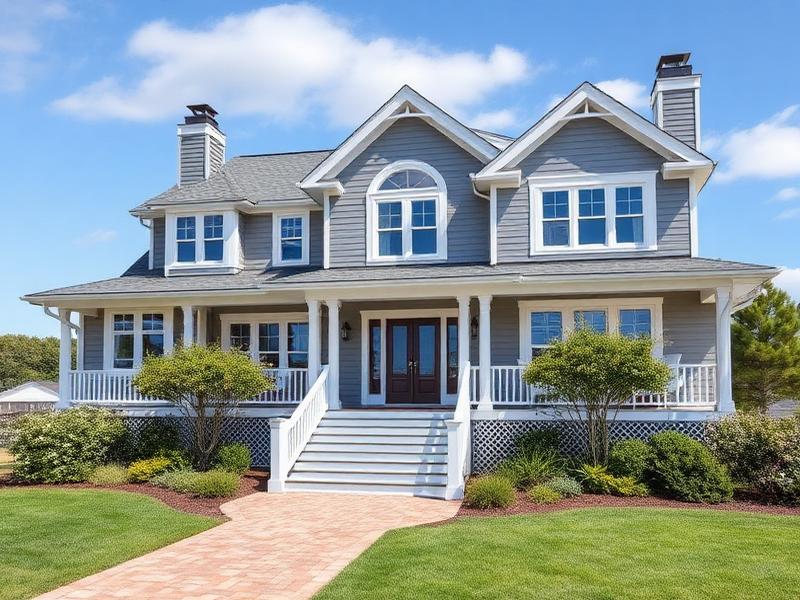
For most people, their home is the largest single investment they will ever make. It's also the largest single thing they will ever sell. Yet I regularly meet sellers who are about to treat that sale the way they'd treat listing a truck on Marketplace: take a few pictures, post a price, and wait for the phone to ring.
I understand the instinct. Selling anything feels like it should follow the same basic script. But real estate doesn't work that way, and the difference isn't a technicality. It's the whole game.
A Car Has a Book Value. Your Home Doesn't.
When you sell a car, a boat, a tractor, a piece of equipment, you're selling one of thousands of nearly identical items. The buyer can pull up the year, the model, the mileage, and a national price guide, and everybody in the conversation knows what the thing is worth within a few hundred dollars. The buyer is interchangeable too. Anyone who wants a five-year-old half-ton pickup is a reasonable buyer for yours.
A home is the opposite of that. There is exactly one of it. Your lot, your view, your floor plan, your proximity to the water or the refuge or the school, your septic and well, your deck orientation at sunset, the year your roof was replaced, the width of your street. There is no book value because there is nothing identical to compare it to, only similar things that sold at some point under some conditions. Pricing it means reading those sales the way a contractor reads a house: adjusting for condition, features, and timing, not plugging numbers into a formula.
And the buyer isn't interchangeable either. That's the part most sellers miss.
Every Property Has a Buyer. The Job Is to Find That Buyer, Not a Buyer.
Here on the Eastern Shore, two homes on the same road can have completely different buyers.
A three-bedroom cottage two blocks from the water on Chincoteague might be a vacation-rental investment for a family from Northern Virginia, a downsizing retirement home for a couple from Pennsylvania, or a first home for a young couple who work on the island. Those are three different buyers who search differently, value different features, and get reached by different marketing. The investor wants the rental history, the occupancy math, and a clear read on the town's short-term rental rules. The retiree wants one-level living, a manageable yard, and a quiet street. The local buyer wants a fair price and a house that will pass their lender's inspection.
A home in Captain's Cove has a different set of buyers again. Some are buying the golf, the marina, and the community. Some are buying the new-construction alternative at a resale price. Some are buying a lot with a house on it and don't care about the amenities at all. A waterfront home on Chincoteague Bay or the seaside creeks has a buyer who is often buying the view and the dock first and the house second.
So the first question I ask about any property isn't "what's it worth?" It's "who is this for?" What is the highest and best use of this property, and who is the person looking for exactly that? Once I know that, the price, the photography, the written remarks, the features we lead with, the sites we emphasize, the way I talk to other agents about it, all of it follows. Get that first question wrong and your home will be marketed to the wrong person, in the wrong language, at a price that makes sense to nobody.
Miss the buyer and your home will not be seen by the right buyer. It's that simple.
The Process Is Similar. The Approach Never Is.
I want to be careful here, because I also publish a step-by-step selling process and a full selling timeline, and both of them look pretty standardized on the page. They are. The mechanics of a Virginia real estate sale are the same from one closing to the next: the listing agreement, the disclosures, the MLS entry, the contract, the contingencies, the title work, the settlement. Any competent agent can walk you through that sequence, and it protects you.
The approach inside that process is what changes, and it changes every time.
For one home, the approach is a full week of preparation before launch, professional photography and drone, a 3D walkthrough, and a Saturday open house where every buyer walks in at the same time, because this is a home that competes on presentation and the first week on the market decides the price. For another, it's a targeted conversation with a handful of investors and a written net comparison, because the home needs work and the buyer for it isn't browsing Zillow on a Sunday afternoon. For a third, it's a direct purchase from me, because the seller lives four hundred miles away, the house has been sitting empty, and what they actually want is a closing date and a check, not a marketing plan.
Same process. Three different approaches. Three different buyers. And three very different outcomes if you get the approach wrong.
What "Unique Approach" Actually Looks Like
When I walk a property before we list it, I'm doing several things at once, and most of them a seller never sees.
I'm identifying the target buyer. Not a demographic, a person: where they're driving from, what they're giving up to be here, what they'll pay a premium for and what they won't notice.
I'm identifying the features that matter to that buyer, in order. Every home has thirty features. The right buyer cares about four of them. Those four go first in the photos, first in the remarks, first in the conversation with the agent who calls me about it. The other twenty-six get mentioned, not featured. A listing that leads with "new HVAC" when the buyer is buying the sunset off the back deck has wasted its best real estate.
I'm identifying the use. A home that photographs as a family residence and a home that photographs as a turnkey rental are the same house shot two different ways. A lot that's marketed as a homesite and a lot that's marketed as an investment hold are the same dirt with two different buyers.
I'm identifying what has to be true before launch. For some homes, that's a pre-listing well test and septic inspection so the buyer's lender has no surprises. For some, it's a decluttered garage and a pressure-washed deck. For some, it's nothing at all, because the buyer we're targeting will renovate everything anyway and every dollar the seller spends is a dollar they won't get back.
And I'm identifying the price that finds that buyer in the first two weeks, because that's when the most motivated buyers see the home and that's when the sale is won or lost. Not the price that flatters the seller. Not the price that leaves room to "come down." The price that puts the home in front of the right person while they're still looking.
Why This Is What You're Paying For
I'll be plain about the money, because I am everywhere else on this site: my listing fee is 2.5% of the sale price, no other fees. What that fee buys you is not a sign in the yard and a listing on the MLS. Anyone can do that, and if that were the job, I'd charge a lot less for it.
What it buys you is the judgment to read your specific property, find its specific buyer, and introduce the two of them at the right price, presented the right way, the first time. That judgment comes from 40+ years as a licensed Virginia real estate broker, a Class A contractor's eye for what a home actually needs, a title agent's eye for what will stop a closing, and a lot of Saturdays watching which homes sell in week one and which ones sit.
You're not selling a car. You're selling one of the largest investments of your life, and it deserves to be sold like the unique thing it is.
If you own property in Accomack County and you're thinking about selling, start with the timeline, then call or text me directly at 540-729-7801. We'll figure out who your buyer is before we do anything else.