Nor'easters & Storm Damage on Chincoteague & Captain's Cove: A Homeowner's Guide
Nor'easters, Flooding, and Storm Damage on Chincoteague & Captain's Cove: What Every Homeowner Should Know Before You Need To
We've been fortunate here. It's been a long stretch since this island took a direct hit from a major storm, and I don't say that to tempt fate — I say it because I want to be honest with you. If you're reading this hoping I'm about to tell you about storm-damaged homes I'm buying up and down the Shore right now, that's not where we are. Not today.
But I've been in real estate for over 40 years, most of that in the Piedmont and Northern Virginia before I made my way to the Eastern Shore, and storms have followed me the whole way. I've seen what wind and water do to homes and to markets more times than I can count — it just used to be tornado warnings and inland flooding instead of nor'easters. I've only been working this island a few years now, but I've seen enough nor'easters already to know something is just as true here as it was up there: every single year, one of them spins people up. The wind gets up over the bay, the tide pushes in further than usual, somebody's dock takes a beating or a roof loses a few shingles it didn't have to spare, and for a few days the phone starts ringing with people asking questions they never thought they'd need to ask. Sooner or later, a bigger one will test this island the way it hasn't been tested in a while. That's not a scare tactic — it's just coastal living, and anybody who's owned property here more than a few winters knows it.
So I'd rather have this conversation with you now, on a calm day, than have you trying to find it in a panic after the fact.
What actually happens to homes out here
Most of what I see after a nor'easter or the edge of a tropical system isn't dramatic. It's the stuff that adds up: water that got somewhere it shouldn't have, whether that's a crawlspace, a low corner of the yard, or up through the floor if the tide got high enough. Wind that lifted shingles, bent flashing, or took a piece of siding loose. A dock or bulkhead that took the brunt of it because that's exactly what it's there for. Saltwater is patient — it doesn't have to do much damage in one storm to start a slower kind of damage over several.
Every so often it's more than that. I've seen homes after bigger events with real structural questions, and plenty more where the damage looked worse than it was. Either way, you need a straight answer from somebody qualified before you make any decisions — a licensed contractor or inspector who can actually put eyes on it and tell you what you're dealing with.
I'll say this honestly: I'm not in the business of repairing other people's homes. My Class A contractor's license comes from renovating my own properties here on the island through Chincoteague Fixer Upper — I've done the work myself, on my own projects, so I know what real repair costs and real construction quality look like from the inside. That's a different thing than being your contractor. What it does mean is that when we're talking through your options, I'm not going to feed you a vague reassurance or a guess. I can tell you honestly whether a repair sounds reasonable, point you toward people who do good work on this island, and help you think clearly about what a rebuild would actually involve — before you decide whether that's a road you want to go down at all.
The decision you might eventually face
If a storm does real damage to your home here, you're going to be looking at one of three roads, whether that's this year or ten years from now:
Repair it and keep it. For most homes with most storm damage, this is the right call. You file the claim, you get it fixed, life goes on. I'll tell you when this is your best option, even though it doesn't put a dollar in my pocket either way.
Repair it and sell. Sometimes the damage is real, the owner doesn't want to manage a rebuild — maybe they're not local, maybe they're older, maybe the timing in their life just doesn't line up — but the home is still worth fixing up before it goes on the market. That's a full-service listing conversation, and I'll walk you through exactly what work would move the needle on price and what wouldn't.
Sell it as-is. And sometimes a homeowner looks at the insurance check, the contractor timeline, the permits, the six months of managing a renovation from three hundred miles away, and decides they're simply done. No judgment from me on that. That's exactly the situation my Direct Home Purchase Program exists for — I buy the home in the condition it's in, storm damage and all, explain in writing how I arrived at the number, and let you decide with no pressure and no obligation.
None of those is the "right" answer in the abstract. The right answer depends on your property, your insurance, your timeline, and what you actually want your next six months to look like. That's a conversation, not a formula.
One thing to watch for
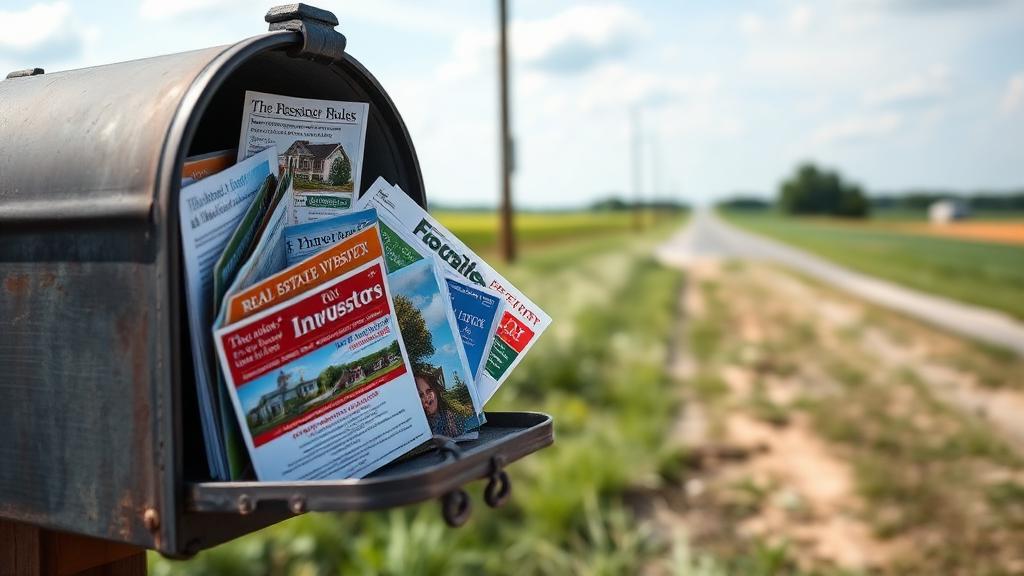
Here's something I will say plainly, because I've seen the damage it does. After any regional weather event — doesn't even have to hit us directly — postcards and phone calls start showing up from cash-buyer operations that have never set foot on this island and never will. Some of them are fine. Some of them are not. I've personally spent weeks cleaning up a title after one of these outfits recorded paperwork against a seller's property that had no business being there. That's not a story I'm telling to scare you off a cash offer — it's exactly why I built my own direct purchase program the way I did: licensed, local, in writing, with the reasoning behind the number laid out plainly, and no pressure to sign anything before you've had a chance to think it over or run it past someone else.
If a storm ever does send that kind of mail your way, you don't have to sort out who's legitimate on your own. Call me first, and I'll help you make sense of it — whether or not you ever do business with me.
The plan is simple: have one
You don't need to make any decisions today. What I'd encourage is just knowing your options exist before you're standing in a wet living room trying to figure them out for the first time. Whether that day comes this winter or another decade from now, I'll walk the property myself, tell you honestly what it needs, and lay out what a listing would likely net you next to what a direct sale would put in your hand — so whichever road you take, you're choosing it with real numbers in front of you, not guessing under pressure.
If you'd like to talk through what storm damage would mean for your specific property — or you just want a straight answer about flood zones, insurance, or what a home like yours would need — reach out any time. No storm required.