"But It Passed Inspection..." What a Virginia Home Inspection Actually Covers — and What "As Inspected" Really Means
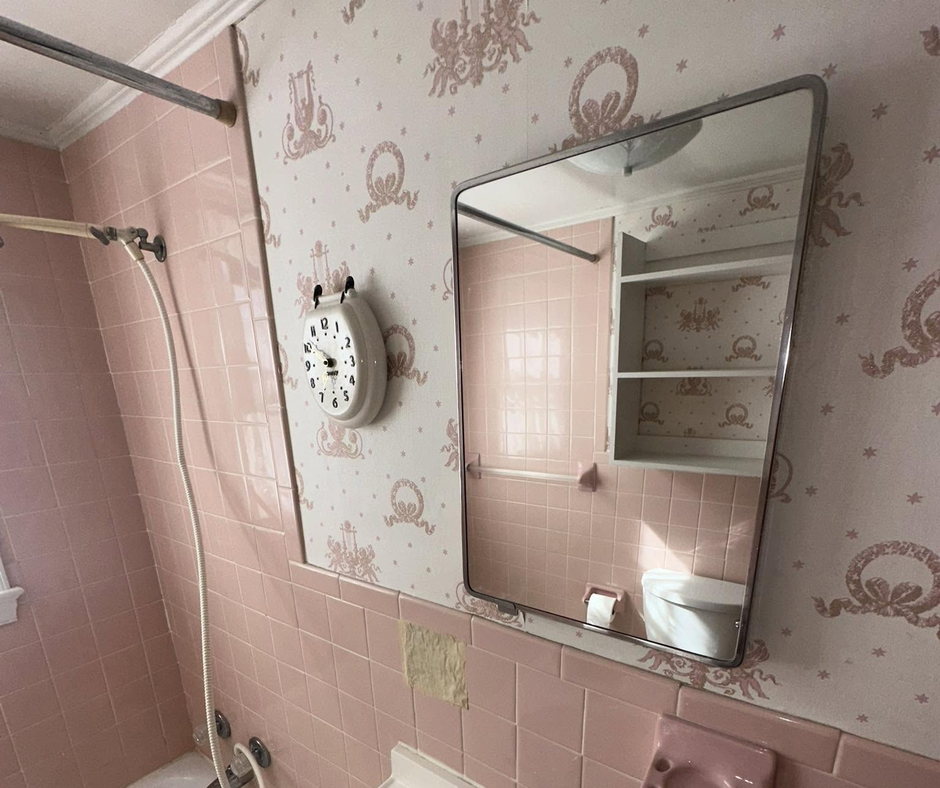
A real find from one of my own inspections: masking tape covering the wall where an old soap holder used to be. The kind of cosmetic history an inspection turns up that isn't a deficiency — just a house that's been lived in.
"But it passed inspection" is one of the more confusing phrases in real estate, because a home inspection was never actually a pass/fail test to begin with. I've had sellers assume a clean report meant nothing could go wrong afterward, and buyers assume any flaw on the list meant automatic grounds to walk. Neither read is quite right, and knowing the difference matters the moment that report lands in an inbox.
What a Home Inspection Actually Covers
A standard Virginia home inspection is broad, but it isn't unlimited. It typically covers the structure and foundation, the roof, flooring, HVAC, electrical and plumbing systems, appliances, drainage, and windows — and radon testing is commonly included as well, either bundled in or offered as a simple add-on by most general inspectors.
What it typically does not cover: well and septic systems, and lead-based paint. Those require their own specialized inspections or tests, arranged separately from the general home inspector, and they come up often enough on the Shore that they're worth planning for up front rather than discovering mid-contract. (Septic in particular gets its own post later in this series — there's enough to it that it deserves the full treatment rather than a paragraph here.)
It's not a pass/fail test either way; it's an information-gathering tool the buyer uses, at their own discretion and expense, to decide how to move forward.
Sometimes what the inspector finds points toward something bigger — a structural concern that needs an engineer's eyes, for example. The buyer can get any inspection they need within the agreed timeline, but bringing in a specialist for something potentially serious can take more time than the original window allows. That extra time isn't automatic — any extension to the inspection contingency has to be agreed to by both buyer and seller. If the seller isn't willing to grant one, the buyer's fallback isn't to simply take more time anyway; it's to ask for a release from the contract under the inspection contingency.
The Inspection Period Has a Real Deadline
I keep this window tight on purpose — usually five to seven days, sometimes stretching to ten depending on the time of year, holidays, an inspector's schedule, or the property itself. If we already know a property is likely to need a specialist — an older well system, a structural quirk, something site-specific — I'll build in more time up front rather than count on getting an extension later, since that extension isn't guaranteed once the clock is already running. For a standard sale where nothing unusual is expected, I keep it as short as the circumstances allow.
That's not just about moving the deal along. This series keeps coming back to the same lesson: contract deadlines are enforced by the calendar, not good intentions. If the buyer wants to raise anything from the inspection, they have to act — and deliver it to the seller — before that deadline, not after. Time is of the Essence applies here as much as anywhere else in the contract.
What Happens After the Report Comes Back
Once the inspection is done, the buyer generally has three paths, and sellers should understand all three going in. They can proceed without asking for anything. They can send a written list of specific items they want remedied, along with what they're proposing as a fix, opening a short negotiation window. Or — and this is the one sellers sometimes forget — they can simply decide they don't want the house anymore and void the contract, at their sole discretion, without needing to justify the reason. The inspection contingency isn't only a repair-request tool. It's a real walk-away right, full stop, and that's exactly why the clock on it matters so much.
Not Every Old System Is a "Deficiency"
This is worth sellers knowing going in: an aging system that's still doing its job isn't automatically treated as a defect. If something is near, at, or even past its typical expected lifespan but is functioning properly, the standard contract language doesn't count that alone as a deficiency the seller has to address. A 20-year-old water heater that's heating water isn't a problem because of its age — it's a problem if it's actually failing. That distinction heads off a lot of unnecessary back-and-forth.
Why I Keep the Inspection Window Tight — Buyer's Remorse Is Real
Here's something four decades of contracts has taught me, and it's just human nature: buyer's remorse is real, it's normal, and it shows up on a fairly predictable schedule. With a purchase the size of a home — or a car, for that matter — that flicker of second-guessing tends to surface somewhere between seven and fifteen days after the contract is signed. It's temporary. It passes. By closing day, most buyers are back to excited about the home they're getting.
But for a seller, timing matters enormously. I want my sellers past the Home Inspection Contingency, and past the buyer's HOA disclosure review period where one applies, before that window opens — not sitting in the middle of active negotiations when it hits. A buyer working through a normal moment of doubt, combined with an inspection item still on the table, is a combination that costs sellers money and leverage. Keeping the inspection period tight isn't just about efficiency. It's about getting past the part of the calendar where a buyer's temporary hesitation and an open negotiation can collide.
What "As Inspected" Actually Means Going Into Closing
Here's the concept that gives this post its name. Once the inspection contingency is resolved — whatever repairs were agreed to are agreed to, and everything else stands — the property moves toward closing in that condition: as inspected, plus whatever specific fixes were actually negotiated. It is not a promise that the house will show up on closing day in flawless condition. It's a snapshot, plus a short list of agreed changes.
That matters at the final walkthrough. The right question at that point isn't "is everything perfect?" — it's "does the house match what was inspected, plus what we agreed to fix?" Buyers who understand that going in have a much smoother walkthrough than buyers expecting a blank slate.
It's a different version of the same idea covered in what "as-is" really means — even in a fully negotiated, full-market listing, once the inspection period closes, the seller isn't promising perfection either. The difference is just how much negotiation happened to get there.
The Form Changed Here Too
Same note as the last post in this series: the Virginia REALTORS® Residential Contract of Purchase went through a significant revision effective May 5, 2026, and the inspection contingency language was part of what changed, along with financing and appraisal. If your last transaction predates that, don't assume the paragraph reads the way you remember. I keep current on which version applies to any contract I'm working from.
If You Choose the Direct Purchase Path Instead
None of this negotiation applies if you go the second route. When I buy directly, there's no inspection contingency, no repair addendum, no negotiation period — and no buyer's remorse clock to manage, because I'm not a buyer working through second thoughts. I factor the property's condition into the offer itself, in writing, up front. What you see is what's already accounted for.
Where My Background Actually Helps
Because I'm also a licensed Class A contractor — on my own renovation projects here on the Shore, not as a repair contractor for clients — I read an inspection report the way someone who has actually opened up walls and replaced roofs reads it, not the way someone who has only sold houses reads it. That's informed perspective, not a substitute for your own licensed contractor's estimate on what a specific item will actually cost to fix. But it means I'm not reading these reports for the first time alongside you.
That's the same thread running through this whole series — on Time is of the Essence, on as-is, on the financing contingency, and on earnest money. Years on real estate association Standard Forms Committees — vice chair, then chair, on the Northern Virginia Association of REALTORS® committee during my Northern Virginia career — is why I read these paragraphs the way I do.
One Important Disclaimer
I am not an attorney, and I am not a home inspector — I don't perform inspections, and nothing here is legal advice. What I can offer is direct, hands-on construction experience and a clear explanation of what your contract options mean in practice. For legal advice specific to your contract, consult a licensed Virginia real estate attorney; for the inspection itself, a licensed Virginia home inspector.
Have a report in hand and not sure what it actually means for your sale — or want to skip the inspection negotiation entirely with a direct, as-is purchase? Call or text me directly at 540-729-7801, or email Chuck@ChuckCornwell.com. No forms, no call center — just a conversation.